


- ⏱️ 5 min read
- 🐱 For cats
- 🍗 Chicken and cat grass
- 🗓️ 3 months and older
Your cat chews everything except what you want it to: cords, hands, the coffee table, the leaves of your houseplants. Or your cat will not let you near its teeth, and you are looking for an easy daily chew it will actually eat.
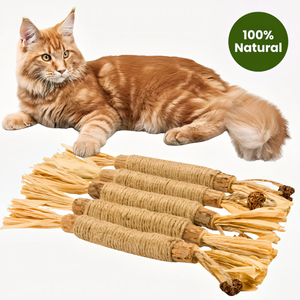
The Cat Dental Chew Grass Teething Sticks are chew treats made with real chicken and cat grass, for cats 3 months and older. In this guide, Petstone explains what is in them, which cats they suit, how many to give, how the pack sizes compare, and how they fit alongside brushing and vet checks.
Quick answer
- The sticks are made with fresh chicken and cat grass, plus salmon puree and fish oil, chicken liver and heart, and egg yolk powder.
- They are for cats 3 months and older, as a treat alongside a complete, balanced diet.
- One stick a day is enough for most cats; up to 3 if needed, and no more than 5 daily.
- Daily chewing helps support clean teeth and fresher breath, but the sticks do not replace brushing or vet dental checks.
What is in the Cat Dental Chew Grass Teething Sticks
According to the Petstone product page, the Cat Dental Chew Grass Teething Sticks list these ingredients:
Fresh chicken
The main protein, giving the sticks a real-meat flavor.
Cat grass
Listed to help support digestion and hairball passage.
Salmon puree and fish oil
Listed as a source of omega-3s for coat and skin.
Liver, heart, egg yolk
Chicken liver and heart plus egg yolk powder round out the recipe.
The flavor is listed as natural chicken and fresh cat grass. The product page does not list stick size, calories or a guaranteed analysis, so ask your vet if your cat has a special diet.
Which cats the sticks suit, and which may not
✅ A good fit for
- Kittens 3 months and older who want to chew everything
- Indoor cats who nibble houseplants or need something to do
- Cats who will not tolerate brushing, as one part of a dental routine
- Cats who enjoy chicken-flavored treats
⚠️ May not suit
- Kittens under 3 months
- Cats on a vet-prescribed or special diet, unless your vet agrees
- Cats who gulp treats whole without chewing
- Cats with sore teeth, red gums or ongoing bad breath, who need a vet first
🎯 Best for: chewy kittens and indoor cats who need a daily treat to work on.
How many sticks a day, and how to introduce them
The product page says 1 stick per day is enough for most cats, up to 3 if needed, and no more than 5 daily. It also asks you to supervise your cat the first time to make sure they chew properly.
- Offer one stick at a quiet time, and stay with your cat while it chews.
- Watch that your cat chews the stick rather than trying to swallow large pieces.
- Keep to one stick a day for the first few days and watch for any tummy upset.
- Take the treat calories into account so your cat's main food stays the bulk of the diet.
Owners of picky cats often say treats are hit or miss. Offer the stick right before a meal, when your cat is most interested in food, and try again another day if it walks away.
Pack sizes compared
| Pack | Sticks | At 1 stick a day |
|---|---|---|
| 1 Pack | 5 pieces | About 5 days for one cat |
| 2 Pack | 10 pieces | About 10 days for one cat |
| 3 Pack | 15 pieces | About 15 days for one cat |
How the sticks fit with brushing and grooming
Brushing is still the gold standard. The Cornell Feline Health Center recommends brushing your cat's teeth daily with a feline toothpaste or gel, and never using human toothpaste. A daily chew can sit alongside that routine.
For hairballs, Cornell's hairball guide recommends brushing and combing your cat's coat daily, especially in shedding season. A grooming tool such as the 2-in-1 Steam Pet Grooming and Massage Brush can help with that part.
See your vet for bad breath that does not go away, red or swollen gums, drooling, or eating less. Cornell advises a vet visit without delay for a cat that is lethargic, refuses food for more than a day or two, or retches repeatedly without bringing anything up.
Other Petstone chews to compare
- The Natural Japanese Silver Vine Cat Chew Sticks are a non-food chew for cats who love to gnaw and play.
- The Wild Instinct Pet Freeze-Dried Turkey Heart Treats for Cats suit picky cats who prefer simple meat treats.
Want the full picture on dental care? Read Cat Won't Let You Brush? Other Ways to Support Clean Teeth and Why Does My Cat's Breath Smell So Bad? When to See a Vet.
Shop this guide at Petstone
A daily chew, a playful chew stick and a grooming brush for a simple care routine.
 PetstoneCat Dental Chew Grass Teething SticksA daily chicken and cat grass chew for cats 3 months and older.View product
 PetstoneSilver Vine Cat Chew SticksA non-food chew for cats who love to gnaw and play.View product
 Petstone2-in-1 Steam Grooming and Massage BrushFor owners brushing loose fur more often in shedding season.View product
 Wild Instinct PetFreeze-Dried Turkey Heart Treats for CatsA simple meat treat for picky cats.View product
🎁 Buy any 2 items and save 5%, applied automatically at checkout. Unused items can be returned within 30 days of delivery.
Related Petstone guides
FAQ
How many cat grass teething sticks can my cat have a day?
The product page says 1 stick a day is enough for most cats, up to 3 if needed, and no more than 5 daily.
Are the sticks safe for kittens?
They are listed for cats 3 months and older. Supervise the first chew to make sure your kitten chews properly.
Do the sticks replace brushing?
No. Daily chewing helps support clean teeth and fresher breath, but Cornell still recommends daily brushing, and your vet should check your cat's teeth regularly.
What if my cat vomits after eating one?
Stop the sticks and watch your cat. Call your vet if vomiting repeats, or if your cat seems lethargic or stops eating.
Sources
- Cornell Feline Health Center: Bad Breath (a sign of illness) (daily brushing with feline toothpaste, never human toothpaste, when to see a vet)
- Cornell Feline Health Center: Hairballs (daily brushing and combing, warning signs that need a vet)
Prepared by the Petstone team from product information, brand specifications and common owner questions, drafted with AI assistance and reviewed by a person before publishing.